Recycling and Sustainability at Gardening Hornsey
 Gardening Hornsey is committed to creating an eco-friendly waste disposal area and a thriving sustainable rubbish gardening area that reduces landfill, supports local biodiversity and promotes circular reuse. Our approach blends practical site management with borough-wide best practice so that garden waste, soil, timber and packaging are reused or recycled wherever possible. We prioritise on-site composting and careful sorting to keep valuable organic matter in the local green economy.
We set a clear recycling percentage target to guide our progress: a community-led ambition to reach 70% recycling and reuse of garden and related waste by 2030. This target covers diverted green waste, repurposed topsoil, reclaimed timber and responsibly processed inert materials. Progress is tracked quarterly against baseline data so we can transparently report reductions in residual waste and increases in compost and mulch produced for community gardens.
 Our plans align with the boroughs' approach to waste separation: separate collections for food and garden waste, dry recycling streams for plastics, paper, glass and metals, and an organised residual waste route for non-recyclables. On site we operate clear bins and staging areas for:
- Green waste (grass cuttings, prunings, leaves)
- Compostable material and food-eligible garden waste
- Dry recyclables (cardboard, tins, glass and selected plastics)
- Reclaimable materials (bricks, paving slabs, timber)
Our network connects with local transfer stations and North London recycling hubs to ensure material that cannot be processed on site still follows low-impact routes. We work closely with borough transfer facilities such as local council recycling centres and nearby transfer stations in the wider Enfield/Haringey area, coordinating drop-offs in consolidated loads to reduce vehicle miles and avoid double handling. Where practical, materials are moved to specialist processors for composting, mulching or building-material reclamation.
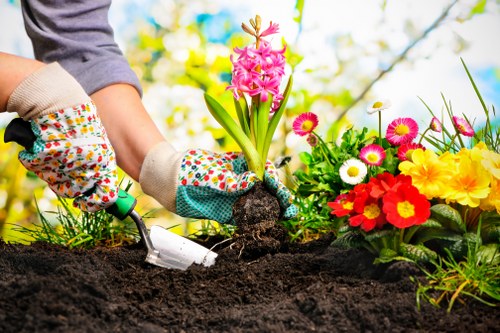 Partnerships are central to our model. Gardening Hornsey partners with charities, social enterprises and community reuse groups to extend the life of materials: soil and compost donations to urban growing projects, reclaimed timber for community planters, and surplus topsoil redistributed to allotments and schools. These collaborations create a social value loop where waste becomes a resource for local good causes and training programmes.
To support the sustainable rubbish gardening area we operate a small fleet of low-carbon vans and transport options. Our vehicles include electric vans for short urban rounds and Euro 6 hybrid units for longer consolidated trips; we also employ cargo e-bikes for deliveries inside the neighbourhood, and trailer-sharing agreements to reduce trips. Telematics and route optimisation software reduce empty miles and emissions, while an emphasis on load consolidation ensures more material per trip.
Community engagement focuses on practical separation at source and repair-first values. We provide clear signage and colour-coded containers so volunteers and neighbours can easily follow the boroughs' separation rules: food and garden waste to green bins or compost bays, dry recyclable items sorted into clean bags or boxes, and non-recyclable items minimised through reuse or repair. Education and routine audits help sustain behaviour change and improve contamination rates in recycling streams.
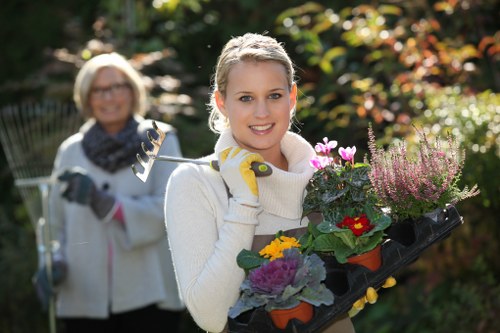 Operational practices include on-site turning of compost piles to accelerate decomposition, tested screening to ensure quality of reused topsoil, and careful quarantine of treated timber or painted materials to prevent contamination. A set of processing standards ensures that everything labelled for reuse meets safety and environmental criteria. We maintain a register of materials moved to transfer stations, creating traceability and encouraging responsible downstream recycling.
 In practice, the sustainable gardening rubbish area delivers multiple benefits: reduced landfill, lower transport emissions, increased local soil fertility, and more affordable resources for community growers. Residents and volunteers are invited to support sorting, monitor compost bays and participate in local swaps for tools and reclaimed planters. Our eco friendly waste disposal area remains focused on scaling impact through partnerships, diligent separation, and a modern, low-emission fleet.
What you can expect from our recycling approach
Gardening Hornsey will continue to refine processes to meet the 70% recycling target and beyond. We will broaden charity partnerships, increase on-site composting capacity, and expand the use of electric vehicles and cargo bikes to reduce the carbon footprint of material movements. Our model demonstrates how a local sustainable rubbish gardening area can complement borough infrastructure to keep garden resources in circulation.
Key commitments
Measurement: regular audits and public reporting of recycling rates and diversion volumes.
Partnerships: active collaboration with charities and reuse networks to extend material life.
Low-carbon logistics: transition to electric vans and cargo bikes for local collections and consolidated trips to transfer stations.
Gardening Hornsey is building a resilient, community-centred recycling and sustainability programme that respects borough waste separation systems and delivers practical, local benefits. By focusing on an eco-friendly waste disposal area and a flourishing sustainable gardening waste system, we turn green waste into an asset for neighbourhood greening and climate action.