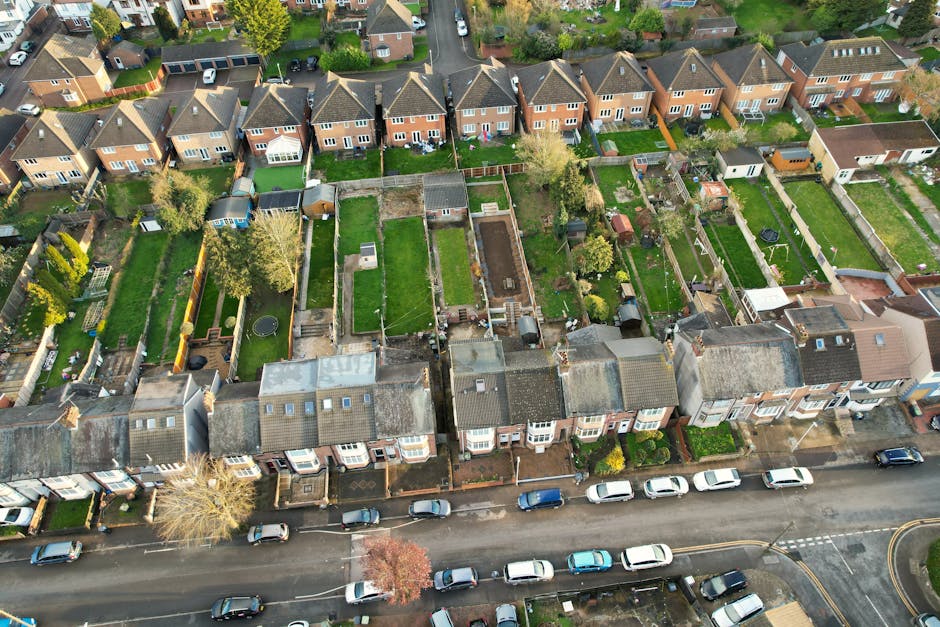
Hornsey High Street garden maintenance insider tips for homeowners
If you live near Hornsey High Street, you already know the garden can feel like a small battleground between London weather, shade from neighbouring trees, awkward access, and the usual "I'll do it this weekend" backlog. The good news? Hornsey High Street garden maintenance insider tips for homeowners are not about doing more for the sake of it. They are about doing the right jobs at the right time, in the right order, so your outdoor space looks cared for without becoming a second job.
Whether you have a compact front garden, a back courtyard, a small lawn, or a patch of planting that seems to grow faster than you can prune it, the same principle applies: steady maintenance beats occasional rescue work. In this guide, we'll walk through what matters, what to prioritise, common mistakes to avoid, and the kind of practical decisions that save time, money, and a fair bit of frustration. Truth be told, most gardens do not need perfection. They need rhythm.
Table of Contents
- Why Hornsey High Street garden maintenance matters
- How garden maintenance works in practice
- Key benefits and practical advantages
- Who this is for and when it makes sense
- Step-by-step guidance
- Expert tips for better results
- Common mistakes to avoid
- Tools, resources and recommendations
- Law, compliance, standards, and best practice
- Options, methods, and comparison table
- Case study or real-world example
- Practical checklist
- Conclusion
- Frequently asked questions
Why Hornsey High Street garden maintenance matters
Hornsey has its own rhythm. Busy pavements, mixed property styles, and changing light conditions can all influence how a garden grows and how often it needs attention. A north-facing strip might stay damp and mossy for longer. A front garden near the road may collect more dust, litter, and pollution than you expect. And if your planting border gets even a little neglected, it can start to look tired very quickly.
That is why local garden maintenance is not just about appearance. It affects usability, plant health, drainage, safety, privacy, and even how welcoming your home feels when you walk up to it. A neat hedge can make a whole frontage feel calmer. A clear path can stop muddy shoes becoming a daily nuisance. Small things, but they add up.
There is also the practical side. In London, outdoor space is often limited, so every square metre matters. Letting beds become congested or shrubs grow unchecked can make a small garden feel much smaller. Regular care helps you keep structure, space, and breathing room. And if you ever plan to sell or rent out a property, a well-kept garden quietly strengthens first impressions without shouting about it.
Expert summary: The best Hornsey High Street garden maintenance plan is usually a light, consistent one. Do less, but do it more often. That simple shift prevents the bigger clean-up jobs that tend to arrive all at once, usually just before a weekend you had reserved for something nicer.
How Hornsey High Street garden maintenance works
Garden maintenance works best when you treat it as a cycle rather than a one-off task. Start by observing what your garden actually does over a few weeks. Where does water sit after rain? Which areas get full sun, half shade, or almost no direct light? Which plants are thriving, and which ones keep sulking no matter what you try?
From there, you can build a maintenance routine around the garden's real conditions. For example, a small paved courtyard may need more sweeping, moss control, and container feeding than mowing. A traditional front garden may need edging, hedge trimming, and seasonal deadheading. A family back garden may need lawn care, weed control, and regular clear-outs of toys, leaves, and the inevitable random bits and pieces that seem to accumulate on their own.
The practical work usually falls into four broad categories:
- Routine upkeep: mowing, sweeping, pruning, weeding, watering, and tidying.
- Plant care: feeding, deadheading, mulching, staking, and checking for pests or disease.
- Surface care: paths, patios, edging, drains, gravel, and patio joints.
- Seasonal resets: leaf clearance, winter protection, spring cut-backs, and summer shaping.
In a Hornsey setting, access and timing matter too. A narrow side return, a shared passage, or a front garden close to the pavement can make equipment choice and waste removal more important than people expect. If you have ever tried to turn a long hedge cut into a neat bagging job on a windy day, you will know exactly what I mean. It gets everywhere. Everywhere.
If you are comparing professional help, a good starting point is to look at the full range of gardening services available and then decide which tasks you want handled regularly and which you want to keep in-house.
Key benefits and practical advantages
Good maintenance gives you more than a tidy garden. It gives you control. That may sound a bit grand, but it is true. A well-maintained garden is easier to enjoy, easier to improve, and much easier to manage over time.
- Less work in the long run: regular tasks stop small problems turning into a big spring or autumn clear-out.
- Healthier plants: pruning, feeding, and removing dead growth helps plants direct energy where it is needed.
- Better safety: clear pathways, trimmed edges, and stable surfaces reduce everyday trip hazards.
- Stronger street appeal: especially near Hornsey High Street, a neat frontage makes the whole property feel more cared for.
- Better use of space: pruning and shaping can reveal hidden space in even the smallest garden.
- More predictable costs: routine care usually costs less than emergency catch-up work.
There is another benefit that gets missed a lot: maintenance helps you notice change early. A patch of yellowing leaves, a broken fence panel, or a drain starting to clog can be dealt with before it becomes a bigger problem. That is the sort of thing homeowners appreciate most when they've had one too many "I'll sort it later" surprises.
If you want to understand how the service is approached by the team behind the site, the about us page is a sensible place to start, especially if trust and working style matter to you.
Who this is for and when it makes sense
This kind of garden care makes sense for a lot of homeowners, but especially for people who want an outdoor space that looks good without demanding constant attention. That includes:
- busy households with limited time
- older homes with mature shrubs or overgrown borders
- new homeowners trying to get on top of a neglected garden
- landlords wanting a presentable exterior
- families who use the garden every day
- homeowners preparing for guests, photos, or a sale
It also makes sense when your garden has one or two recurring issues. Maybe the lawn gets patchy every summer. Maybe the side passage is always full of leaves. Maybe the roses are fine, but the boxy hedge at the front has developed that slightly lopsided look that only seems obvious from the pavement. Small problems like that rarely fix themselves.
To be fair, some people only need seasonal help a few times a year. Others benefit from a monthly or fortnightly maintenance rhythm. The right approach depends on how quickly your garden grows, how much time you have, and how tidy you want it to stay between visits or DIY sessions.
If budget is part of your decision, take a look at the pricing and quotes information so you can compare options with a clearer idea of what is included.
Step-by-step guidance
Here is a practical way to manage a garden near Hornsey High Street without making the whole thing feel overwhelming.
1. Walk the garden properly
Do a slow walk around the space. Look at what is growing, what is dying back, where weeds are spreading, and which areas get dirty fastest. You would be surprised how much becomes obvious when you just pause for five minutes with a mug of tea and a pair of honest eyes.
2. Divide the garden into zones
Split the garden into areas such as lawn, borders, containers, paving, hedge lines, and access routes. Each zone needs different care. This helps prevent the classic mistake of treating everything like a lawn or everything like a flower bed.
3. Tackle the quick wins first
Start with visible tidy-up jobs: remove litter, cut back dead material, sweep paths, and edge borders. These jobs often create a bigger visual improvement than you expect. The garden suddenly feels more manageable.
4. Work from top to bottom
If you are pruning, hedge cutting, or clearing climbing plants, start high and finish low. That way, you avoid redoing work. Leaves and clippings fall where they will fall, which is rarely into a neat little pile by magic.
5. Feed and mulch at the right time
Healthy gardens are not maintained by cutting alone. Plants need support too. Feeding, compost, and mulch help retain moisture and improve soil structure. This is especially useful in compact urban gardens where soil can become tired and dry quickly.
6. Inspect for drainage and surface issues
Look for standing water, loose paving, blocked grates, or moss that makes paths slippery. If a path feels slick in wet weather, do not ignore it. A tidy garden is good; a safe garden is better.
7. Set a simple routine
Decide what happens weekly, monthly, and seasonally. A small routine beats a heroic one every time. Honestly, heroic gardening usually ends with sore shoulders and an empty bin bag pile.
A practical routine might look like this:
- Weekly: sweep, water containers if needed, remove obvious weeds, check for damage.
- Monthly: prune lightly, edge borders, feed key plants, clear drains and corners.
- Seasonally: cut back, mulch, review plant health, refresh containers, and reset the garden layout.
Expert tips for better results
A few insider habits make a surprisingly big difference. These are the sorts of details that stop maintenance from feeling like constant catch-up.
- Trim little and often: a small monthly hedge tidy is easier than a dramatic late-season cut.
- Use the garden's natural lines: follow the shape of fences, paths, and borders instead of forcing every edge into a rigid pattern.
- Keep a "problem corner" in mind: every garden has one. Usually it is the damp side passage, the shady bed, or the bit nobody sees until it becomes untidy.
- Mulch after weeding: this helps suppress regrowth and keeps the soil looking finished.
- Choose plants for the site, not the catalogue photo: shade-tolerant plants in shade. Sun-lovers in sun. Simple, but worth saying.
- Store tools where they are easy to reach: if a job takes ten minutes to start, you are less likely to do it.
One little trick homeowners often appreciate: photograph the garden after a tidy-up. It gives you a reference point. Next time it feels like "nothing has changed," the picture will prove otherwise. Quite satisfying, actually.
If you are concerned about how work is carried out on your property, especially where tools, ladders, or waste removal are involved, it is worth reading the site's health and safety policy and insurance and safety information before booking.
Common mistakes to avoid
Most garden maintenance problems come from a few repeated habits. Luckily, they are easy to spot once you know what to look for.
- Cutting too much at once: hard pruning can leave shrubs stressed, bare, or out of shape.
- Ignoring soil condition: if the soil is compacted or dry, plants will struggle no matter how neat the surface looks.
- Letting weeds seed: once that happens, you have signed yourself up for future jobs you did not need.
- Overwatering containers: many London gardens suffer from loving plants a bit too much.
- Using the wrong tools: blunt shears and oversized equipment make the work harder and less precise.
- Only tidying the visible parts: hidden corners, side returns, and rear edges are often where gardens go downhill first.
There is also the aesthetic mistake of making a garden look "clean" but not considered. A space can be weed-free and still feel unloved if edges are messy, plants are all at the wrong height, or the proportions are off. Good maintenance is part cleanliness, part judgement.
And yes, the famous "I'll deal with it next weekend" approach. We have all been there.
Tools, resources and recommendations
You do not need a van full of equipment to maintain a Hornsey garden well. A focused set of tools is usually enough.
| Task | Useful tool | Why it helps |
|---|---|---|
| General tidy-up | Stiff broom, garden gloves, bags or trug | Makes quick clears easier and faster |
| Pruning and shaping | Secateurs, loppers, hedge shears | Gives cleaner cuts and better control |
| Lawn care | Mower, edging tool, rake | Helps keep grass neat and defined |
| Weed control | Hand weeder, hoe, kneeler | Useful for stopping small weeds before they spread |
| Soil improvement | Compost, mulch fork, spade | Supports healthier growth and moisture retention |
| Patio and path care | Brush, scraper, pressure control where suitable | Reduces slippery build-up and keeps surfaces presentable |
For homeowners who prefer support rather than buying equipment, the most useful next step is often to review the services overview and see which maintenance tasks are practical to outsource. If you are weighing up whether to book a one-off tidy or repeat visits, the pricing and quotes page can help you plan more sensibly.
Waste handling matters too. If your garden produces a lot of green waste, clipped branches, or old planting material, the recycling and sustainability information is useful for understanding how a responsible approach can fit into the maintenance process.
Law, compliance, standards, and best practice
Garden maintenance is usually straightforward, but a few practical standards are worth keeping in mind. You do not need to become a rules expert to keep your garden in good shape, though. Common sense and safe working practice carry most of the load here.
If you are arranging work on your property, especially with ladders, power tools, waste removal, or access through shared areas, it is sensible to check that the provider has clear safety procedures, appropriate insurance, and a professional process for handling issues. In the UK, homeowners should also be mindful of nuisance and boundary matters, particularly where hedges, overhanging growth, or encroaching branches affect neighbouring properties.
Best practice usually includes:
- clear communication about access and work times
- safe tool use and tidy storage during the job
- care around roots, cables, and fragile surfaces
- responsible removal or recycling of green waste
- respect for neighbours, shared paths, and boundary lines
Where you are choosing a company, it is reasonable to look for transparent policies. The pages on terms and conditions, privacy policy, payment and security, and complaints procedure all help set expectations before any work begins. That sort of clarity is boring in the best possible way.
If you want accessibility details for using the website or booking support, the accessibility statement is also worth a look.
Options, methods, and comparison table
Homeowners usually choose between three main approaches: DIY upkeep, occasional professional help, or regular maintenance visits. Each has its place.
| Approach | Best for | Pros | Trade-offs |
|---|---|---|---|
| DIY maintenance | Small gardens, confident gardeners, tight budgets | Low cost, flexible timing, personal control | Time-consuming, easy to let jobs slip, equipment needed |
| One-off tidy-up | Overgrown gardens, seasonal resets, pre-sale prep | Fast visual improvement, good for catching up | Does not always prevent repeat build-up |
| Regular maintenance | Busy homeowners, larger gardens, ongoing presentation | Predictable, consistent, less stress over time | Requires a recurring budget and scheduling |
In real life, a blend often works best. A homeowner might handle watering, sweeping, and basic deadheading, then bring in help for hedge cutting, heavier pruning, or seasonal clearing. That hybrid model can be surprisingly efficient.
If you are uncertain which route fits your household, start with the type of result you want. Do you want a garden that stays presentable most weeks, or do you simply want help when things get away from you? The answer changes the entire plan.
Case study or real-world example
A typical Hornsey scenario goes something like this: a homeowner with a small front garden and a narrow back space notices that the beds have become crowded, the path has gone green after a wet spell, and the hedge now throws a shadow over half the frontage. Nothing is broken. Nothing is urgent. But the garden feels a bit heavy.
The fix is rarely dramatic. First, the overgrowth is reduced carefully rather than hacked back. Next, weeds are removed and the path is swept and cleared. The hedge is reshaped just enough to restore light. Then the borders are mulched, the lawn edges are redefined, and any weak or struggling plants are either replaced or given more suitable conditions.
Within a few hours, the garden does not look "new," because that would be unrealistic. It looks calmer, cleaner, and easier to live with. More importantly, it becomes manageable again. That is the real win. Not perfection. Manageability.
A homeowner I once heard describe the result quite neatly said, "It stopped feeling like a task every time I looked out the window." That is exactly it. The garden stops asking for attention every five minutes and starts giving something back.
Practical checklist
Use this as a quick maintenance check before you decide what needs doing next.
- Are paths, steps, and entrances clear and safe?
- Have weeds been removed before they seed?
- Are hedges and shrubs still in proportion to the space?
- Does the lawn need edging, mowing, or patch repair?
- Have containers been watered, fed, or refreshed?
- Is there any standing water, moss, or drainage issue?
- Do overhanging branches or trailing plants block access?
- Has dead material been cut out from borders and climbers?
- Is green waste being removed or stored neatly?
- Does anything look neglected from the street or back door?
If you can tick most of these off, the garden is probably in decent shape. If not, that is fine too. It just means you have your next job list sorted.
Get a free quote today and see how much you can save.
Conclusion
Hornsey High Street garden maintenance insider tips for homeowners come down to a simple idea: keep the work steady, local, and realistic. A garden does not need constant reinvention. It needs thoughtful attention, good timing, and a bit of respect for what it actually wants to do through the seasons.
Start with the visible wins, stay on top of the recurring jobs, and do not let small issues grow into Saturday-eating monsters. If you treat maintenance as part of home care rather than a separate headache, the whole thing feels lighter. And if you need extra support, choosing clear, safe, and transparent help makes the process much easier.
In the end, a well-kept garden is not just nicer to look at. It is nicer to live with. That's the bit people remember.
Frequently Asked Questions
What are the most useful garden maintenance jobs for Hornsey homeowners?
The most useful jobs are usually mowing or edging lawns, pruning hedges, weeding borders, sweeping paths, removing dead growth, and checking drainage. In a compact London garden, the visual payoff from these basics is often bigger than from any single big project.
How often should a garden near Hornsey High Street be maintained?
It depends on the size, planting style, and how quickly things grow. Many homeowners benefit from weekly light upkeep and a monthly deeper tidy, with seasonal cut-backs in spring and autumn. Fast-growing hedges or shaded, damp areas may need more frequent attention.
Is it better to do garden maintenance myself or hire help?
If the garden is small and you enjoy the work, DIY can make sense. If you are short on time, dealing with overgrowth, or want consistent presentation, professional help is often more efficient. A hybrid approach is common and can be very practical.
What should I do first if my garden has become overgrown?
Start with access and safety. Clear paths, remove obvious waste, and reduce the worst overgrowth carefully. Then assess what can be cut back without damaging plants. A proper cut plan matters more than speed here, otherwise you can make the garden look uneven.
Do I need special tools for small urban gardens?
Usually not. A good pair of secateurs, hedge shears, a broom, gloves, a hand weed tool, and a lawn mower or strimmer if you have grass will cover most needs. For many Hornsey homes, the challenge is not quantity of tools but having the right ones in reach.
How can I keep a small garden looking tidy for longer?
Use mulch, trim little and often, avoid overcrowding plants, and keep a simple routine. Also, do not let weeds mature. Tiny weeds are a five-minute job. Established weeds can turn into a proper afternoon. Nobody wants that.
What garden maintenance problems are common in London back gardens?
Common issues include shade, compacted soil, moss, poor drainage, narrow access, and quick weed regrowth. Dust, litter, and pollution can also affect front gardens near roads. Choosing plants and routines that suit those conditions makes a noticeable difference.
Can garden maintenance improve property appeal?
Yes, especially where the frontage is visible from the street. A neat hedge, swept path, well-kept lawn, and healthy planting all improve first impressions. It is not flashy, but it quietly changes how a property feels.
What should I ask before booking gardening help?
Ask what work is included, how waste is handled, whether insurance and safety are in place, how access is managed, and how payment works. It is also sensible to review the provider's policies and expectations before the first visit.
Is green waste recycled as part of maintenance work?
It can be, depending on the service arrangement. If sustainability matters to you, check how cuttings, branches, and other green waste are managed. Responsible disposal or recycling is usually a sign of a well-run service.
What is the biggest mistake homeowners make with garden upkeep?
Leaving things too long. It sounds simple, but most garden problems get worse by being ignored rather than by being difficult. Small, regular maintenance almost always beats a big rescue job later on.
How do I choose a trustworthy local garden maintenance service?
Look for clear communication, transparent pricing, sensible safety standards, and straightforward policies. Pages like about us, services overview, and contact us can help you understand whether the service feels like the right fit for your home.